

Events
Recommended Reading
The Strategic Importance of Fashion Fairs: Why Designers Host and Attend
In the fast-paced world of global style, fashion fairs serve as the vital heartbeat of the industry. These curated events function as much more than mere exhibitions. They act as high-stakes marketplaces, networking hubs, and centers for creative innovation. When fashion designers organize or participate in these fairs, they pursue specific strategic goals that propel their businesses forward.
Establishing Market Presence and Visibility
A fashion fair offers an unparalleled stage for designers to showcase their latest collections to a concentrated audience. By organizing these events, designers bring buyers, store owners, and industry leaders directly to their products. This immediate access allows brands to bypass traditional distribution hurdles. They can then place their garments directly in front of the people who make purchasing decisions. Digital saturation often obscures individual voices. A physical fair provides the tangible exposure necessary for recognition.
Facilitating Direct Retail and Wholesale Relationships
Professional fashion fairs bridge the gap between creation and commerce. Designers utilize these spaces to foster direct relationships with retail buyers and boutique owners. When a designer hosts a fair, they gain valuable face-to-face time with potential partners, which helps build the trust necessary for long-term wholesale agreements. This direct engagement provides designers with instant, actionable feedback on their designs. By observing how people interact with their pieces, designers gain insights into sizing, fabric preferences, and style trends that no digital survey can replicate.

Driving Industry Innovation and Trendsetting
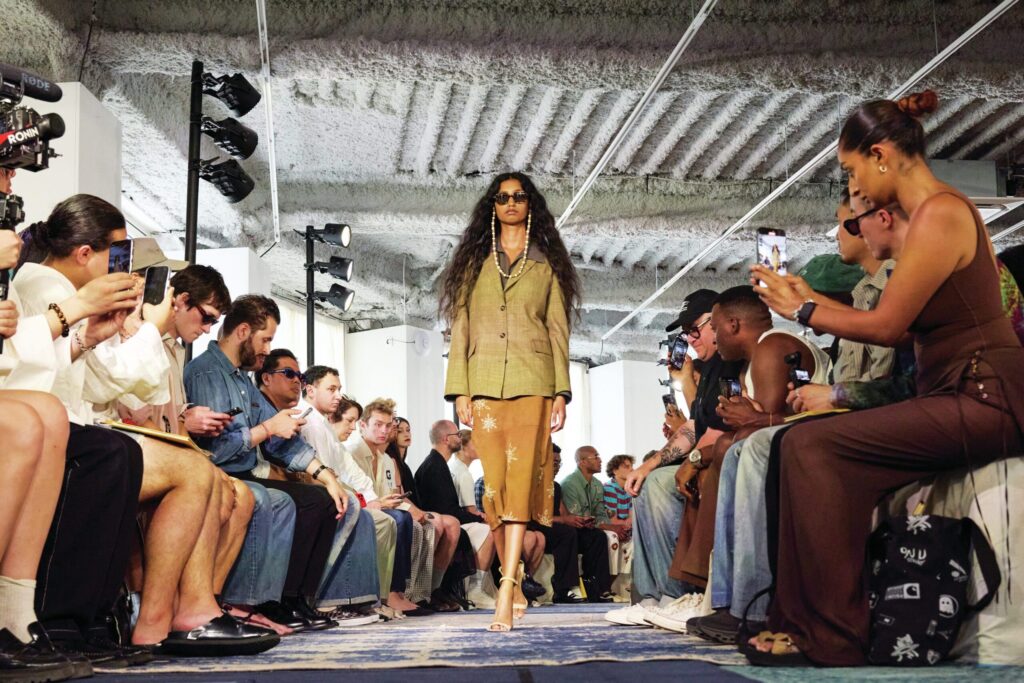
Fashion fairs serve as the primary laboratories for the industry. Designers organize these events to announce seasonal changes, introduce new textile technologies, or pivot their brand narratives to reflect modern values like sustainability. As industry leaders gather in one location, these fairs generate a unique synergy that fuels the next wave of style. By setting the agenda at a fair, designers influence the direction of the upcoming season, cementing their status as thought leaders rather than passive participants in the marketplace.
Cultivating a Professional Community
Beyond the transactional benefits, fashion fairs strengthen the professional ecosystem. Designers create these platforms to convene colleagues, suppliers, and media representatives under one roof. This collaborative atmosphere encourages the exchange of ideas and provides a vital venue for mentorship. When designers invest in organizing these gatherings, they contribute to the health and longevity of the broader fashion sector, ensuring that innovation continues to thrive throughout the supply chain.
Conclusion
Fashion fairs remain an essential pillar of the designer’s business model. Through these events, participants secure critical partnerships, refine their creative strategies, and solidify their presence in a competitive global market. By choosing to organize and participate in these fairs, designers transform their private studios into public centers of commerce and culture, driving the fashion industry toward a more connected and prosperous future.


